



What Is Tennis Elbow?
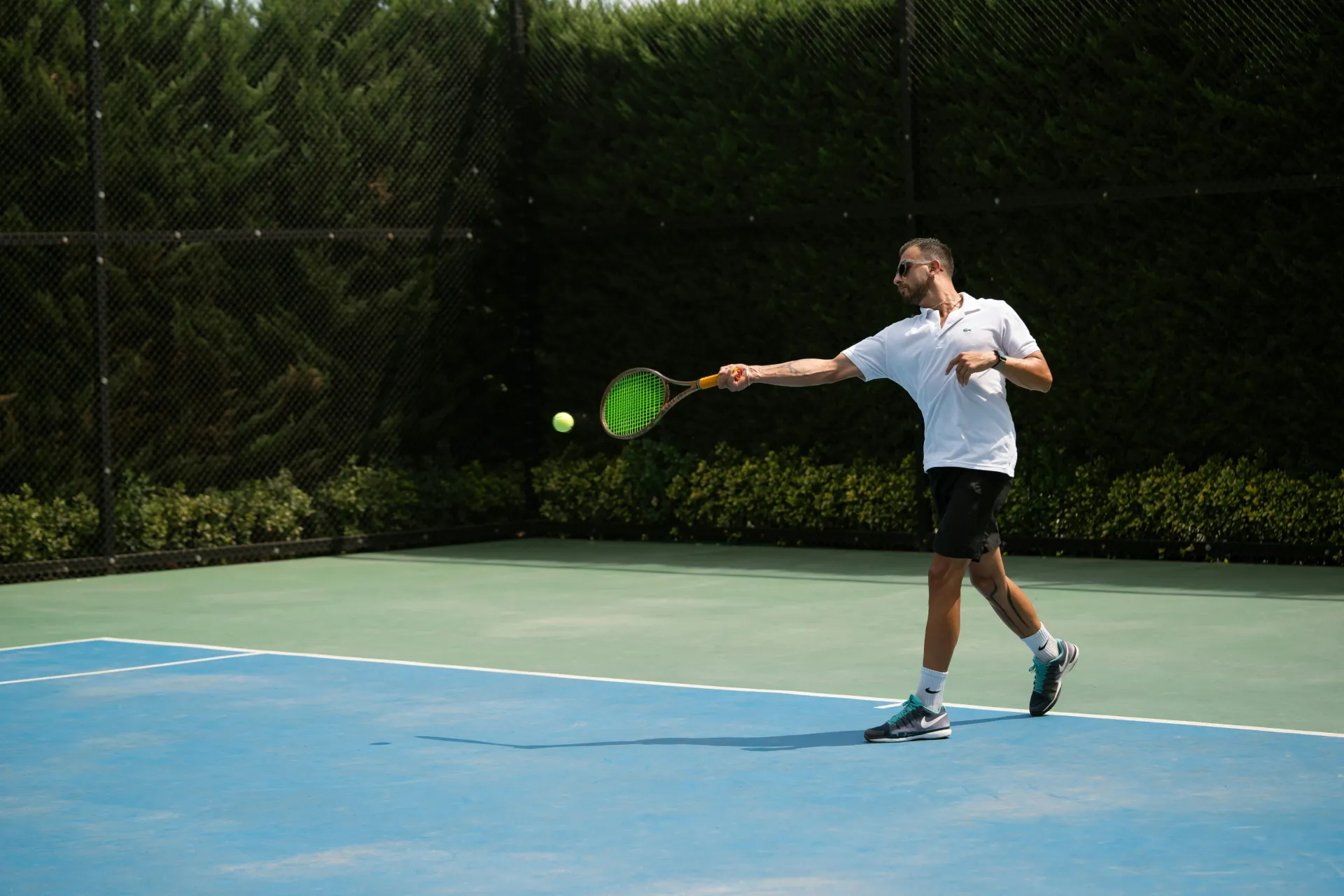
Tennis elbow, also known as lateral epicondylitis, is a common overuse injury that causes pain on the outside of the elbow. It occurs when the tendons that attach the forearm muscles to the bony prominence of the elbow become irritated or damaged. Despite its name, tennis elbow affects not only athletes but also individuals who perform repetitive gripping, lifting, or wrist movements.
This condition often develops gradually due to repetitive strain and can worsen over time without proper treatment.
Symptoms of Tennis Elbow
Common symptoms include:
- Pain or burning on the outside of the elbow
- Weak grip strength
- Pain when lifting, gripping, or twisting
- Discomfort when shaking hands or turning a doorknob
- Pain that radiates into the forearm or wrist
- Increased pain with repetitive arm use
Symptoms may worsen with activity and improve with rest.
Common Causes
Tennis elbow is typically caused by repetitive stress on the forearm muscles and tendons. Common causes include:
- Repetitive wrist or arm motions
- Sports such as tennis, pickleball, or golf
- Lifting or carrying objects frequently
- Typing or computer use
- Manual labor or tool use
- Poor technique during sports or exercise
Both athletes and non-athletes can develop tennis elbow.
How Tennis Elbow Is Diagnosed
Diagnosis begins with a physical examination of the elbow and forearm. Your orthopedic specialist will evaluate pain location, grip strength, and range of motion. Imaging may be recommended in some cases, including:
- X-rays to rule out arthritis
- Ultrasound to evaluate tendon damage
- MRI for more severe or persistent symptoms
These tools help confirm the diagnosis and guide treatment.
Tennis Elbow Treatment Options
Non-Surgical Treatment
Most patients improve with conservative care, including:
- Activity modification
- Rest and ice
- Anti-inflammatory medication
- Physical therapy
- Bracing or counterforce strap
- Stretching and strengthening exercises
- PRP or other injection therapy in select cases
These treatments help reduce inflammation and promote healing.
Surgical Treatment
Surgery is rarely needed but may be recommended if symptoms persist. Surgical options may include:
- Removal of damaged tendon tissue
- Tendon repair
- Minimally invasive arthroscopic procedures
Most procedures are outpatient and followed by rehabilitation.
Recovery After Tennis Elbow
Recovery varies depending on severity and treatment. Many patients improve within several weeks to months with non-surgical care. If surgery is required, recovery may take several months with physical therapy to restore strength and flexibility.
When to See an Orthopedic Specialist
You should seek evaluation if you experience:
- Persistent elbow pain
- Weak grip strength
- Pain that interferes with daily activities
- Symptoms lasting more than a few weeks
- Worsening pain despite rest
Early treatment helps prevent chronic tendon damage.
Why Choose TMI Sports Medicine & Orthopedic Surgery
TMI provides comprehensive care for tennis elbow, including conservative treatment, injection therapy, and surgical options when necessary. Our team focuses on reducing pain, restoring function, and helping patients safely return to activity.