



What Is a Clavicle Fracture?
A clavicle fracture, also known as a broken collarbone, occurs when the bone connecting the breastbone to the shoulder blade breaks. This injury often happens after a fall, direct impact, or sports-related trauma and can significantly affect shoulder motion and arm function.
The clavicle plays an important role in stabilizing the shoulder and supporting arm movement. Because of its location and shape, it is one of the most commonly fractured bones, particularly in active individuals and athletes.
Symptoms of a Clavicle Fracture
Symptoms typically occur immediately after injury and may include:
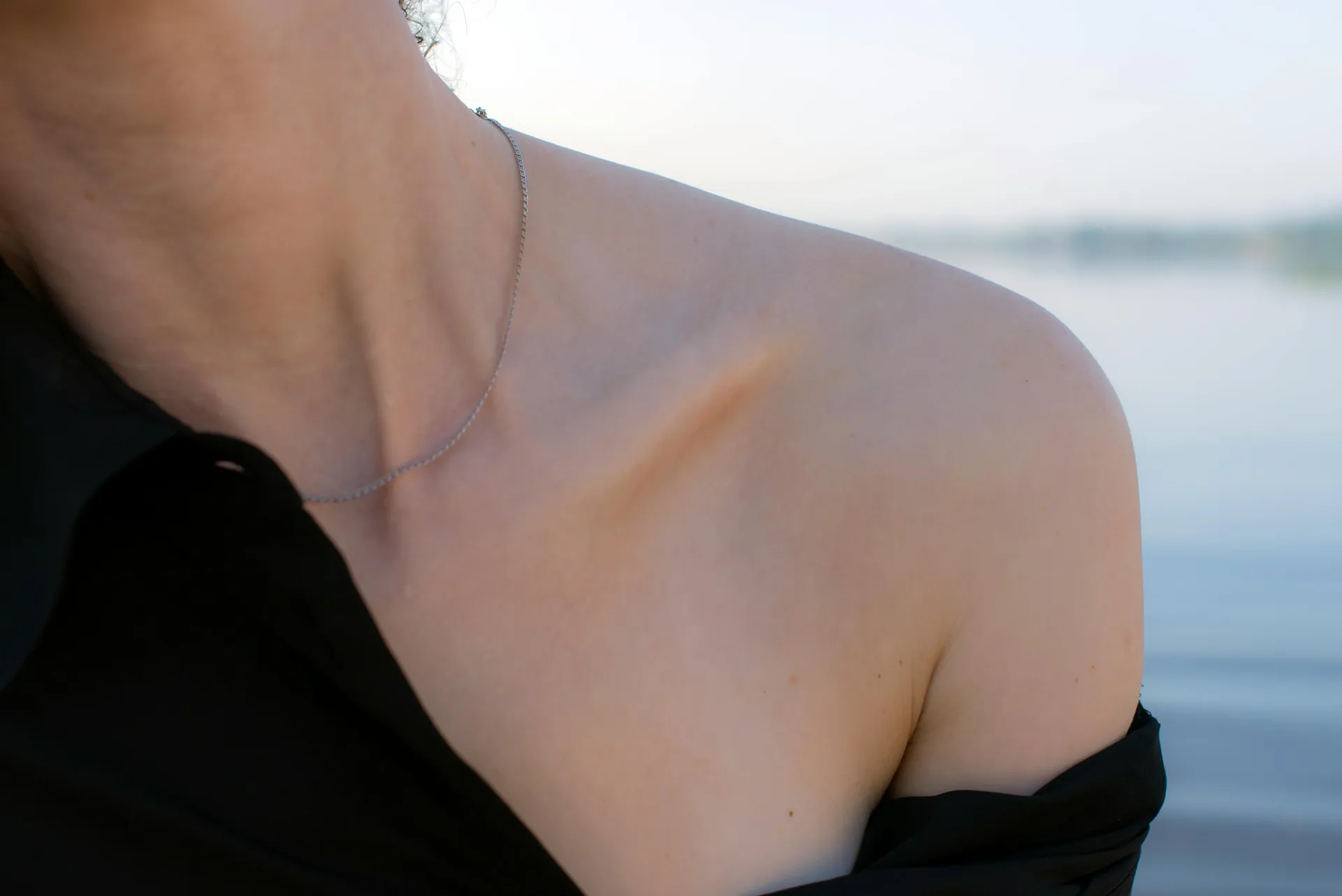
- Shoulder or collarbone pain
- Swelling and bruising
- Tenderness over the collarbone
- Difficulty lifting the arm
- Shoulder sagging downward or forward
- A visible bump or deformity
- Grinding sensation with movement
- Limited range of motion
Many patients are unable to move the arm due to pain following a fracture.
Common Causes
Clavicle fractures most often result from trauma to the shoulder. Common causes include:
- Falls onto the shoulder or outstretched arm
- Sports injuries
- Motor vehicle accidents
- Direct blow to the collarbone
- High-impact collisions
- Contact sports injuries
These injuries place sudden stress on the clavicle, causing it to fracture.
How Clavicle Fractures Are Diagnosed
Diagnosis begins with a physical examination of the shoulder and collarbone. Imaging studies may include:
- X-rays to confirm the fracture
- CT scan for detailed bone imaging
- MRI in select cases to evaluate soft tissue injury
These tests help determine the location, alignment, and severity of the fracture.
Clavicle Fracture Treatment Options
Non-Surgical Treatment
Most clavicle fractures heal without surgery. Conservative treatment may include:
- Sling or shoulder immobilizer
- Pain management
- Ice and activity modification
- Gradual range-of-motion exercises
- Physical therapy
Immobilization allows the bone to heal while therapy helps restore shoulder strength and motion.
Surgical Treatment
Surgery may be recommended when the fracture is displaced or unstable. Surgical treatment may include:
- Plate and screw fixation
- Intramedullary fixation
- Open reduction and internal fixation (ORIF)
- Fracture stabilization
Surgical repair restores alignment and stabilizes the bone while it heals.
Recovery After Clavicle Fracture Treatment
Recovery time depends on the severity of the fracture and treatment approach. Most fractures heal within several weeks, followed by rehabilitation to restore strength and mobility. Adults typically heal in about 8–12 weeks, while children may heal more quickly.
Physical therapy is often recommended to improve motion and prevent stiffness.
When to See an Orthopedic Specialist
You should seek evaluation if you experience:
- Shoulder pain after a fall or impact
- Difficulty lifting the arm
- Visible deformity near the collarbone
- Swelling or bruising
- Limited shoulder motion
- Persistent pain
Prompt evaluation helps ensure proper alignment and healing.
Why Choose TMI Sports Medicine & Orthopedic Surgery
TMI provides comprehensive care for clavicle fractures, including advanced imaging, non-surgical management, and surgical fixation when necessary. Our orthopedic specialists focus on restoring shoulder function, relieving pain, and helping patients return to daily activity safely.