



What Is Golfer’s Elbow?
Golfer’s elbow, also known as medial epicondylitis, is a condition caused by overuse of the forearm muscles and tendons that attach to the inside of the elbow. Repetitive gripping, wrist flexion, and forearm rotation can create small tears in the tendon, leading to pain and inflammation.
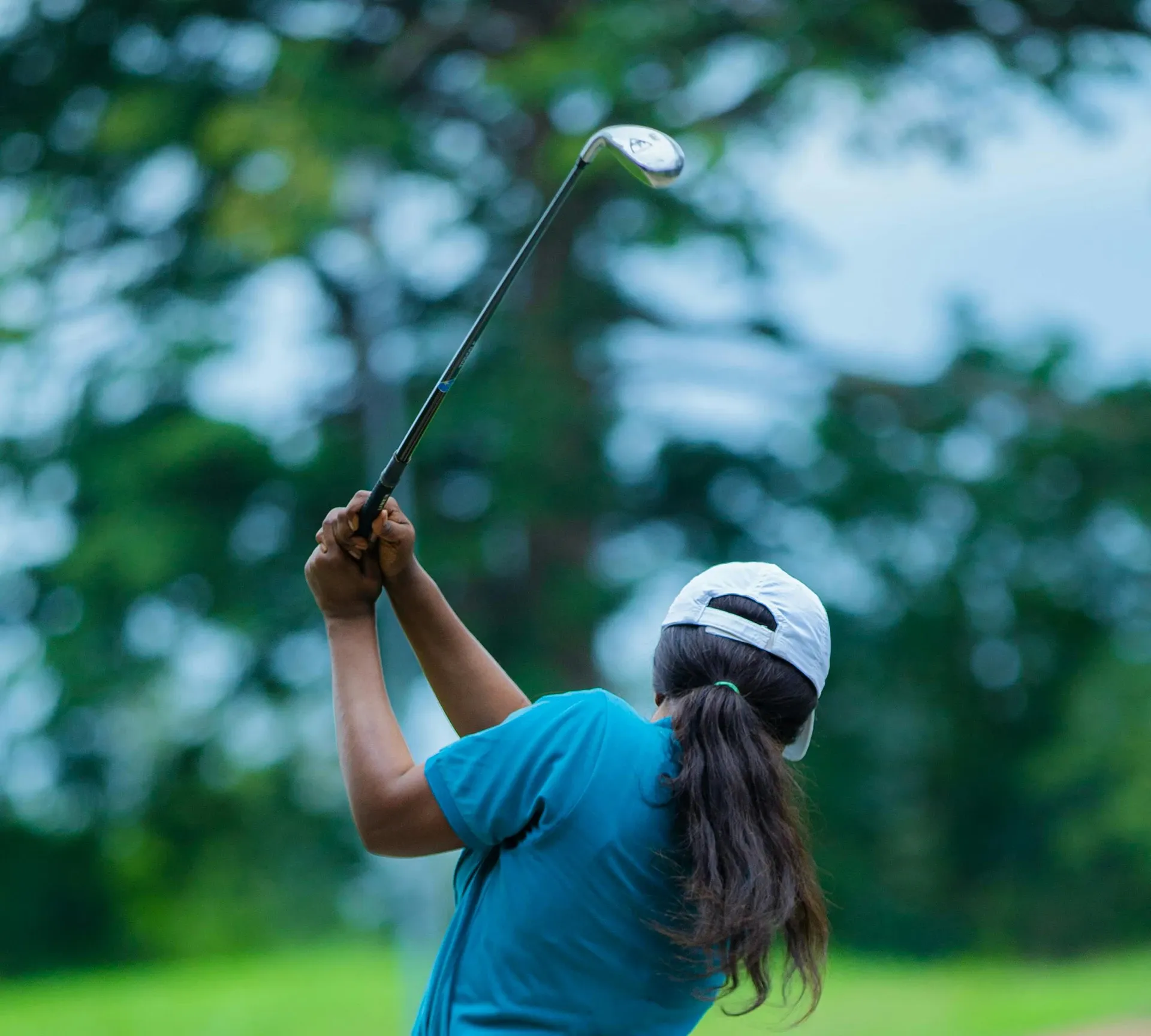
Despite its name, golfer’s elbow affects more than just golfers. The condition commonly occurs in individuals whose jobs or activities involve repetitive wrist motion, gripping, or lifting.
Symptoms of Golfer’s Elbow
Common symptoms of golfer’s elbow include:
- Pain on the inside of the elbow
- Tenderness along the inner elbow
- Forearm pain or stiffness
- Weak grip strength
- Pain when bending the wrist
- Pain when gripping or lifting objects
- Numbness or tingling in the ring and little fingers
- Pain that worsens with repetitive activity
Symptoms often develop gradually and worsen with continued use.
Common Causes
Golfer’s elbow typically develops from repetitive stress on the forearm tendons. Common causes include:
- Golf swings
- Repetitive gripping or lifting
- Throwing sports
- Weightlifting
- Manual labor
- Typing or repetitive wrist motion
- Tool use
- Improper sports technique
These repetitive movements strain the tendon and lead to inflammation and pain.
How Golfer’s Elbow Is Diagnosed
Diagnosis begins with a physical examination of the elbow and forearm. Your orthopedic specialist will evaluate pain location, strength, and motion. Imaging studies may include:
- X-rays to rule out arthritis
- MRI to evaluate tendon injury
- Ultrasound in select cases
These tests help confirm medial epicondylitis and rule out other elbow conditions.
Golfer’s Elbow Treatment Options
Non-Surgical Treatment
Most cases improve with conservative care. Treatment may include:
- Activity modification
- Anti-inflammatory medication
- Physical therapy
- Forearm brace or strap
- Ice and rest
- Stretching and strengthening exercises
- Corticosteroid injections
- PRP injections
Many patients improve within several weeks to months with non-surgical care.
Surgical Treatment
Surgery may be recommended when symptoms persist. Surgical options may include:
- Removal of damaged tendon tissue
- Tendon repair
- Medial epicondyle release
- Arthroscopic elbow surgery
These procedures relieve tension and promote healing.
Recovery After Golfer’s Elbow Treatment
Recovery depends on severity and treatment approach. Many patients improve with therapy and activity modification. After surgery, rehabilitation focuses on restoring flexibility and strength. Full recovery may take several months.
When to See an Orthopedic Specialist
You should seek evaluation if you experience:
- Inner elbow pain
- Weak grip strength
- Pain with lifting or gripping
- Numbness in the fingers
- Symptoms lasting several weeks
- Pain interfering with work or sports
Early treatment can help prevent chronic tendon damage.
Why Choose TMI Sports Medicine & Orthopedic Surgery
TMI provides comprehensive care for golfer’s elbow, including advanced imaging, non-surgical treatment, and minimally invasive surgical options when necessary. Our specialists focus on relieving pain, restoring strength, and helping patients return to activity safely.