



What Is a Rotator Cuff Tear?
A rotator cuff tear occurs when one or more of the tendons that stabilize the shoulder joint become damaged or torn. The rotator cuff is a group of muscles and tendons that keep the upper arm bone centered in the shoulder socket and allow smooth arm movement. When these tendons are injured, patients may experience pain, weakness, and limited shoulder function.
Rotator cuff tears may develop gradually from wear and tear over time or occur suddenly due to trauma. These injuries are one of the most common causes of shoulder pain, particularly in active individuals and adults over age 40.
Symptoms of a Rotator Cuff Tear
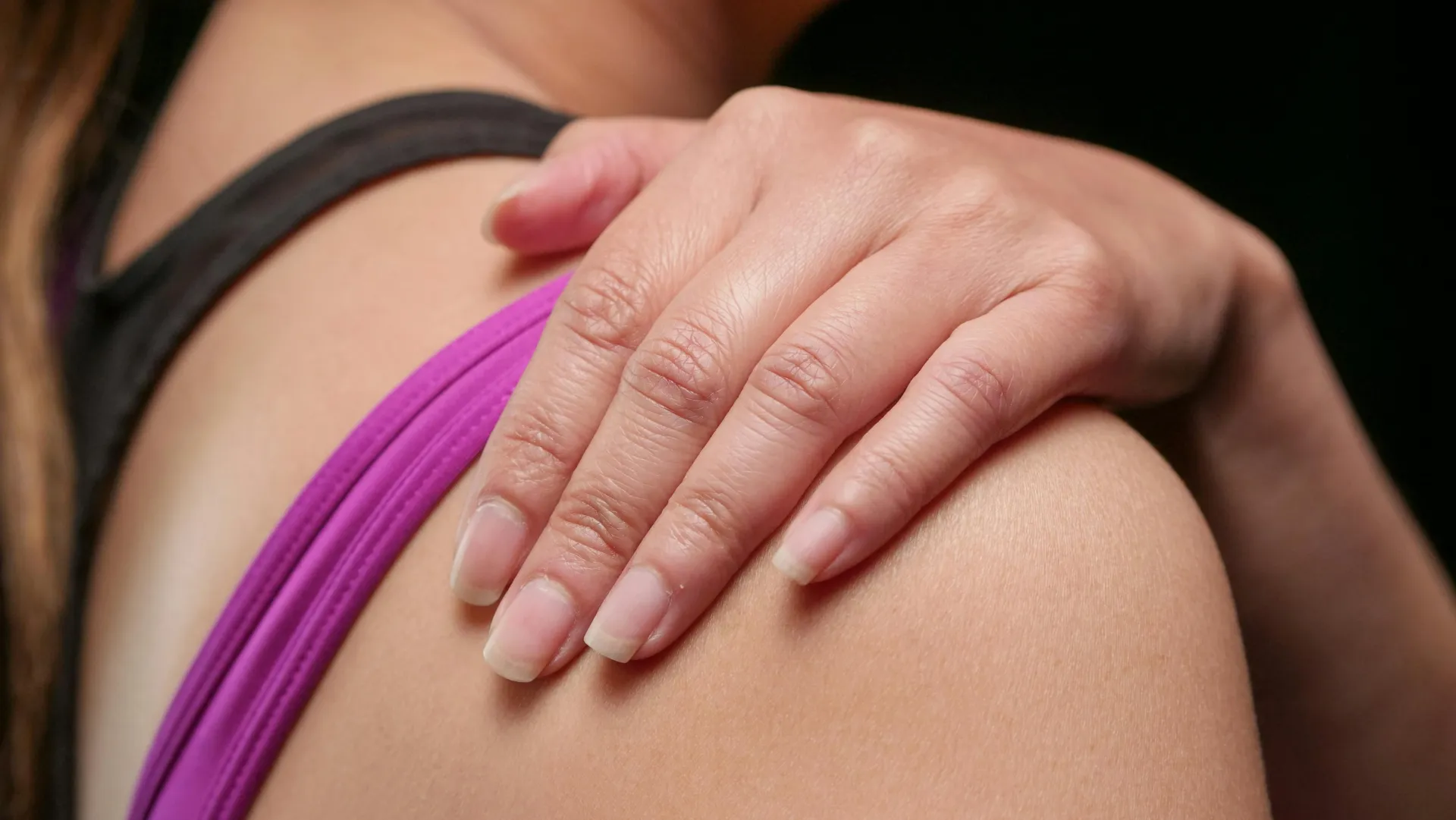
Symptoms can vary depending on the size and severity of the tear. Common symptoms include:
- Shoulder pain, especially with movement
- Pain that worsens at night
- Weakness when lifting or rotating the arm
- Difficulty reaching overhead or behind the back
- Limited range of motion
- Clicking or popping with shoulder movement
- Difficulty lifting objects
Many patients describe a dull ache deep in the shoulder along with weakness and reduced mobility.
Common Causes
Rotator cuff tears may occur from acute injury or gradual degeneration. Common causes include:
- Repetitive overhead activities
- Sports injuries
- Falls or direct trauma
- Degenerative changes with age
- Heavy lifting
- Shoulder impingement
- Poor shoulder mechanics
- Occupational overuse
The risk of rotator cuff tears increases with age and in individuals who perform repetitive overhead motions such as athletes or manual laborers.
How Rotator Cuff Tears Are Diagnosed
Diagnosis begins with a physical examination of shoulder motion, strength, and pain. Imaging studies may include:
- X-rays to evaluate bone structure
- MRI to identify tendon tears
- Ultrasound for dynamic evaluation
- CT scan in select cases
These tests help determine the size, location, and severity of the tear.
Rotator Cuff Tear Treatment Options
Non-Surgical Treatment
Many rotator cuff tears can be treated without surgery. Conservative treatment may include:
- Activity modification
- Anti-inflammatory medication
- Physical therapy
- Corticosteroid injections
- Strengthening exercises
- Ice and rest
Physical therapy is often the first line of treatment and can improve flexibility, strength, and shoulder stability.
Surgical Treatment
Surgery may be recommended for larger tears or persistent symptoms. Surgical options may include:
- Arthroscopic rotator cuff repair
- Tendon reattachment
- Debridement of damaged tissue
- Shoulder arthroscopy
- Reconstruction for large tears
Surgical repair typically reattaches the torn tendon to the bone to restore shoulder function.
Recovery After Rotator Cuff Tear Treatment
Recovery depends on the severity of the tear and treatment approach. Non-surgical recovery may take several weeks with therapy. After surgical repair, patients typically wear a sling initially, followed by progressive rehabilitation to restore motion and strength. Full recovery may take several months.
When to See an Orthopedic Specialist
You should seek evaluation if you experience:
- Persistent shoulder pain
- Weakness lifting your arm
- Pain at night
- Limited range of motion
- Difficulty with overhead activity
- Symptoms not improving with rest
Early treatment can help prevent worsening of the tear and improve outcomes.
Why Choose TMI Sports Medicine & Orthopedic Surgery
TMI provides comprehensive care for rotator cuff tears, including advanced imaging, non-surgical treatment, and minimally invasive shoulder surgery when necessary. Our specialists focus on relieving pain, restoring strength, and helping patients return to daily activities and sports.