- Spine
- Cervical Stenosis
- Herniated Discs
- Myeloplathy
- Spondylolisthesis
- Cervical Fractures
- Neck Strains & Sprains
- Sports-Related Spine Injuries
- Anterior Cervical Discectomy & Fusion (ACDF)
- Anterior Cervical Corpectomy and Fusion (ACCF)
- Cervical Laminectomy & Fusion
- Kyphoplasty
- Minimally Invasive Microdiscectomy
- Laminectomy / Hemilaminectomy
- Posterior Spinal Fusion
- Transforaminal Lumbar Interbody Fusion (TLIF)
- Extreme Lateral Interbody Fusion (XLIF)
- Anterior Lumbar Interbody Fusion (ALIF)




What Is Transforaminal Lumbar Interbody Fusion (TLIF)?
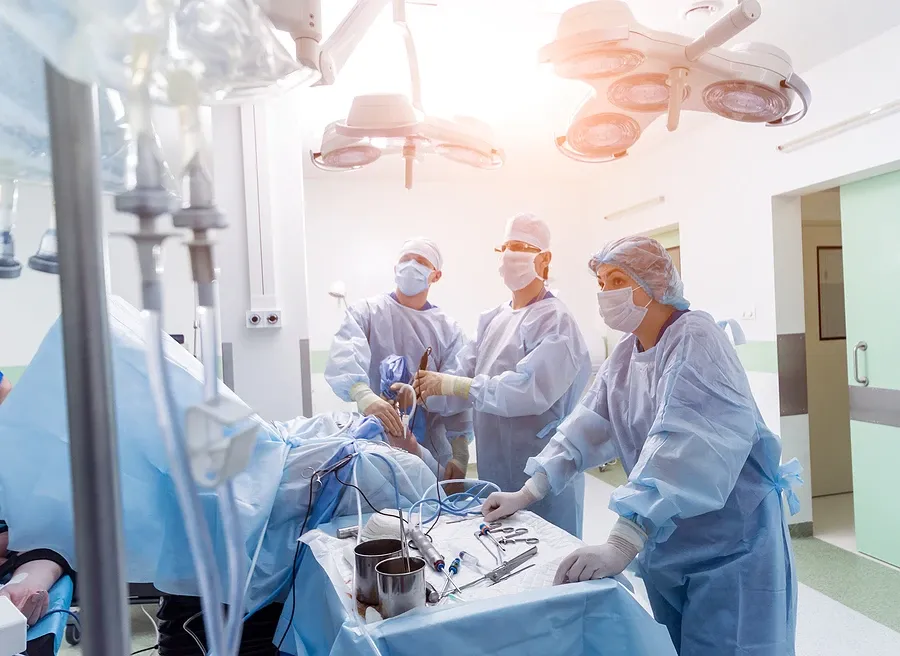
Transforaminal lumbar interbody fusion (TLIF) is a type of spinal fusion surgery performed in the lower back to stabilize the spine and relieve nerve compression. During the procedure, the damaged disc between two vertebrae is removed and replaced with bone graft material, allowing the vertebrae to fuse together into a single stable structure.
The procedure is performed through an incision in the back, using a transforaminal approach that allows the surgeon to access the disc space and decompress affected nerves. Screws and rods may also be placed to stabilize the spine while fusion occurs.
Conditions Treated with TLIF
TLIF may be recommended for several lumbar spine conditions, including:
- Degenerative disc disease
- Spondylolisthesis
- Spinal stenosis
- Recurrent disc herniation
- Lumbar spinal instability
- Chronic lower back pain
- Nerve root compression
These conditions may cause pain, numbness, and weakness in the lower back, hips, or legs due to spinal instability or nerve compression.
Symptoms Treated with TLIF
Patients who may benefit from TLIF often experience:
- Persistent lower back pain
- Leg pain or sciatica
- Numbness or tingling in legs
- Muscle weakness
- Difficulty standing or walking
- Pain that worsens with movement
- Symptoms not improving with conservative treatment
These symptoms typically occur when a damaged disc or spinal instability compresses nearby nerves.
How TLIF Is Diagnosed
Before recommending TLIF surgery, your spine specialist will perform a comprehensive evaluation. Diagnostic testing may include:
- Physical and neurological examination
- X-rays to evaluate spinal alignment
- MRI to identify nerve compression
- CT scan for detailed bone imaging
- Additional imaging when necessary
Surgery is typically considered when conservative treatments fail to relieve symptoms.
Transforaminal Lumbar Interbody Fusion Treatment
Non-Surgical Treatment
Conservative treatment is usually attempted before surgery and may include:
- Activity modification
- Anti-inflammatory medication
- Physical therapy
- Epidural steroid injections
- Pain management
- Strengthening and stabilization exercises
If symptoms persist or worsen, surgical treatment may be recommended.
Surgical Treatment
During TLIF surgery:
- A small incision is made in the lower back
- Muscles are gently retracted to access the spine
- The damaged disc is removed
- Bone graft or spacer is inserted between vertebrae
- Screws and rods stabilize the spine
- The vertebrae fuse together over time
This procedure decompresses nerves and stabilizes the spinal segment.
Recovery After TLIF Surgery
Recovery varies depending on the number of levels treated and overall health. Many patients begin walking shortly after surgery, with gradual return to activity over several weeks. Fusion typically occurs over several months, and physical therapy is often recommended to restore strength and mobility.
Patients are typically advised to avoid heavy lifting and strenuous activity during early recovery.
When to See an Orthopedic Specialist
You should seek evaluation if you experience:
- Persistent lower back pain
- Pain radiating into the legs
- Numbness or tingling
- Weakness in the lower extremities
- Difficulty standing or walking
- Symptoms not improving with conservative care
Prompt evaluation helps determine whether spinal fusion is appropriate.
Why Choose TMI Sports Medicine & Orthopedic Surgery
TMI provides comprehensive spine care, including conservative treatment and advanced procedures such as transforaminal lumbar interbody fusion when necessary. Our spine specialists focus on stabilizing the spine, relieving nerve compression, and helping patients return to daily activities safely.