- Spine
- Cervical Stenosis
- Herniated Discs
- Myeloplathy
- Spondylolisthesis
- Cervical Fractures
- Neck Strains & Sprains
- Sports-Related Spine Injuries
- Anterior Cervical Discectomy & Fusion (ACDF)
- Anterior Cervical Corpectomy and Fusion (ACCF)
- Cervical Laminectomy & Fusion
- Kyphoplasty
- Minimally Invasive Microdiscectomy
- Laminectomy / Hemilaminectomy
- Posterior Spinal Fusion
- Transforaminal Lumbar Interbody Fusion (TLIF)
- Extreme Lateral Interbody Fusion (XLIF)
- Anterior Lumbar Interbody Fusion (ALIF)




What Are Sports-Related Spine Injuries?
Sports-related spine injuries occur when the bones, discs, muscles, or ligaments of the spine are damaged during athletic activity. These injuries can affect the cervical (neck), thoracic (mid-back), or lumbar (lower back) spine and may range from mild strains to more serious structural conditions. Athletes and active individuals are particularly at risk due to repetitive motion, impact, and high-demand physical activity.
Spine injuries in sports can result from sudden trauma, overuse, improper technique, or excessive loading of the spine. Early evaluation and treatment are important to prevent worsening symptoms and support safe return to play.
Symptoms of Sports-Related Spine Injuries
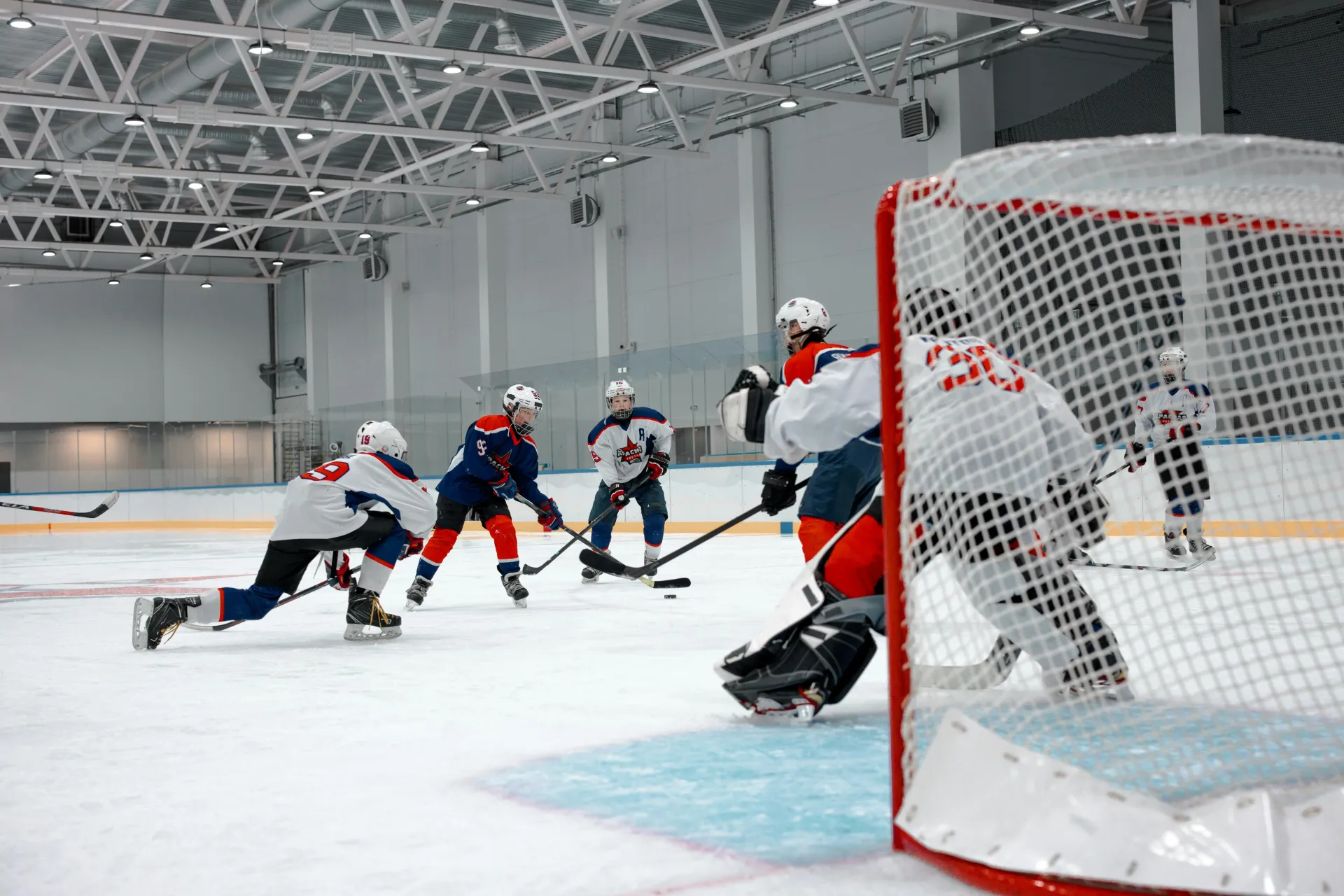
Symptoms vary depending on the type and location of the injury. Common symptoms include:
- Neck or back pain
- Muscle stiffness or spasms
- Pain with movement or activity
- Limited range of motion
- Pain radiating into arms or legs
- Numbness or tingling
- Weakness in extremities
- Difficulty with athletic performance
Symptoms may appear suddenly after injury or develop gradually with repetitive stress.
Common Causes
Sports-related spine injuries often result from repetitive stress or sudden impact. Common causes include:
- Contact sports injuries
- Falls or collisions
- Repetitive twisting movements
- Hyperextension or hyperflexion of the spine
- Improper lifting technique
- Overuse during training
- Sudden increases in activity level
- Poor conditioning or muscle imbalance
Sports commonly associated with spine injuries include football, gymnastics, wrestling, golf, tennis, baseball, and weightlifting.
How Sports-Related Spine Injuries Are Diagnosed
Diagnosis begins with a thorough history and physical examination. Your orthopedic specialist will evaluate posture, range of motion, and neurological function. Imaging studies may include:
- X-rays to evaluate alignment
- MRI to assess discs and soft tissue
- CT scan for detailed bone imaging
- Additional neurological testing when necessary
These tests help identify the type and severity of the injury.
Sports-Related Spine Injury Treatment Options
Non-Surgical Treatment
Most sports-related spine injuries improve with conservative treatment, including:
- Activity modification
- Rest and gradual return to play
- Anti-inflammatory medication
- Physical therapy
- Core strengthening exercises
- Manual therapy
- Bracing in select cases
These treatments focus on reducing pain and restoring spinal stability.
Surgical Treatment
Surgery may be recommended for severe injuries or persistent symptoms. Surgical options may include:
- Spinal decompression
- Discectomy
- Spinal stabilization
- Fusion procedures
- Minimally invasive spine surgery
Surgery is typically reserved for cases involving nerve compression or structural instability.
Recovery After Sports-Related Spine Injuries
Recovery depends on the severity and type of injury. Many athletes return to activity after several weeks of rehabilitation. More significant injuries may require longer recovery and structured return-to-play protocols.
Rehabilitation focuses on restoring flexibility, strength, and proper biomechanics to reduce the risk of reinjury.
When to See an Orthopedic Specialist
You should seek evaluation if you experience:
- Persistent neck or back pain
- Pain radiating into arms or legs
- Numbness or tingling
- Weakness in extremities
- Limited range of motion
- Pain that interferes with sports participation
Early evaluation helps prevent long-term complications and supports safe return to activity.
Why Choose TMI Sports Medicine & Orthopedic Surgery
TMI provides comprehensive care for sports-related spine injuries, including diagnosis, rehabilitation, and surgical treatment when necessary. Our team focuses on restoring function, improving performance, and helping athletes safely return to sports.