- Spine
- Cervical Stenosis
- Herniated Discs
- Myeloplathy
- Spondylolisthesis
- Cervical Fractures
- Neck Strains & Sprains
- Sports-Related Spine Injuries
- Anterior Cervical Discectomy & Fusion (ACDF)
- Anterior Cervical Corpectomy and Fusion (ACCF)
- Cervical Laminectomy & Fusion
- Kyphoplasty
- Minimally Invasive Microdiscectomy
- Laminectomy / Hemilaminectomy
- Posterior Spinal Fusion
- Transforaminal Lumbar Interbody Fusion (TLIF)
- Extreme Lateral Interbody Fusion (XLIF)
- Anterior Lumbar Interbody Fusion (ALIF)




What Is Cervical Stenosis?
Cervical stenosis occurs when the spinal canal in the neck becomes narrowed, placing pressure on the spinal cord or nerve roots. This narrowing can develop gradually and may lead to neck pain, numbness, weakness, or coordination problems as the nerves become compressed.
The cervical spine includes seven vertebrae that protect the spinal cord. When the space around these structures becomes reduced due to degeneration, disc changes, or bone growth, the spinal cord and nerves may become irritated or compressed. This compression can affect movement, sensation, and overall function.
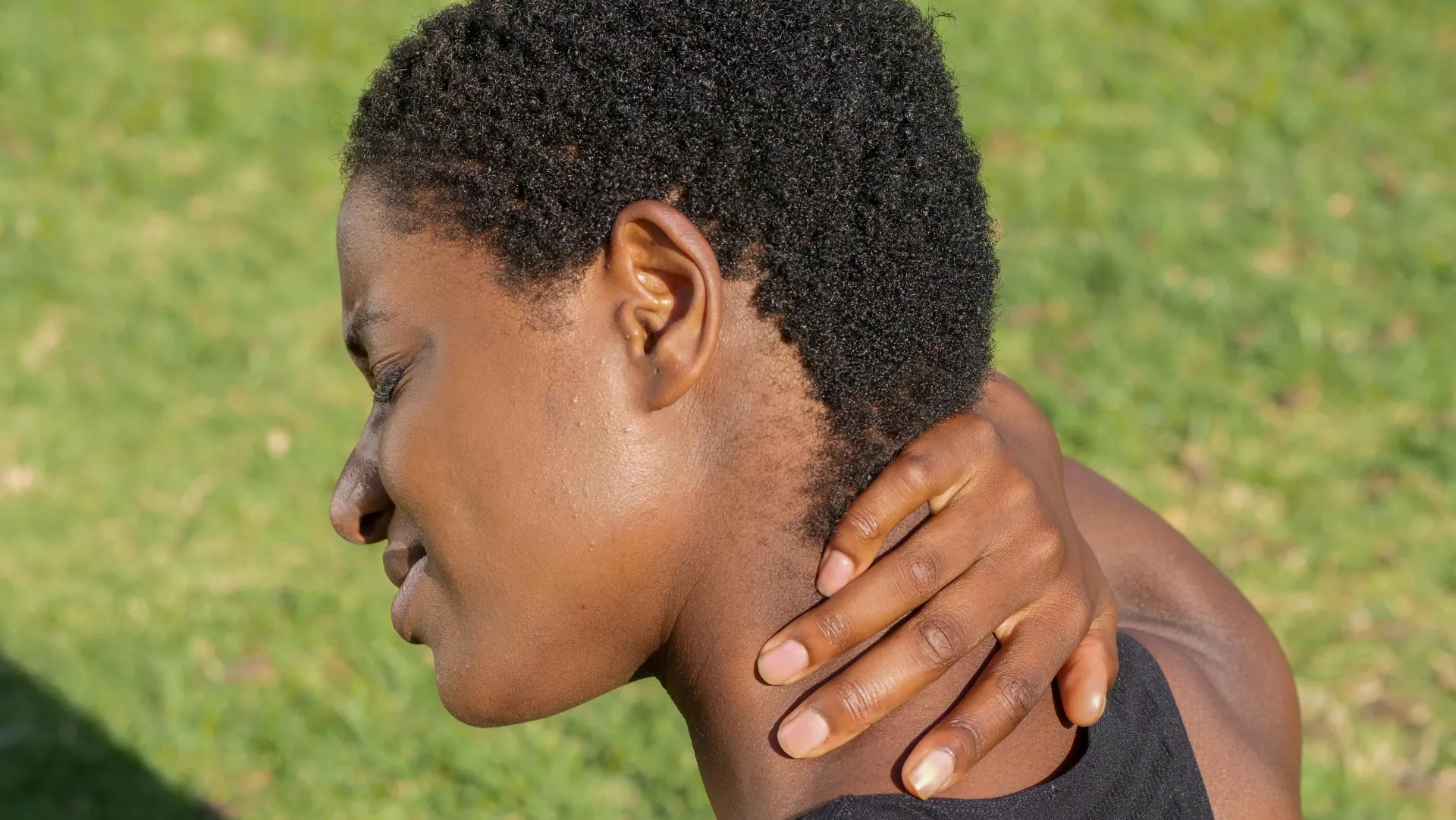
Symptoms of Cervical Stenosis
Symptoms often develop gradually and may worsen over time. Common symptoms include:
- Neck pain or stiffness
- Pain radiating into shoulders or arms
- Numbness or tingling in hands or arms
- Weakness in the upper extremities
- Difficulty with balance or coordination
- Hand clumsiness or fine motor difficulty
- In severe cases, bowel or bladder changes
Symptoms typically occur when the spinal cord or nerves become compressed.
Common Causes
Cervical stenosis most often develops from age-related changes in the spine. Common causes include:
- Degenerative disc disease
- Arthritis of the cervical spine
- Bone spurs (osteophytes)
- Thickened spinal ligaments
- Herniated discs
- Congenital narrowing of the spinal canal
- Previous neck injury or trauma
These changes can gradually reduce the space available for the spinal cord and nerves.
How Cervical Stenosis Is Diagnosed
Diagnosis begins with a physical and neurological examination. Your specialist will evaluate range of motion, strength, reflexes, and nerve function. Imaging studies may include:
- X-rays to evaluate alignment and degeneration
- MRI to assess spinal cord and nerve compression
- CT scan for detailed bone imaging
- Additional testing if neurological symptoms are present
These tests help determine severity and guide treatment decisions.
Cervical Stenosis Treatment Options
Treatment depends on the severity of symptoms and degree of nerve compression.
Non-Surgical Treatment
Many patients improve with conservative care, including:
- Activity modification
- Anti-inflammatory medication
- Physical therapy
- Posture and ergonomic improvements
- Epidural or selective nerve injections
- Bracing in select cases
These treatments aim to reduce inflammation and relieve nerve irritation.
Surgical Treatment
Surgery may be recommended when symptoms are severe or progressive. Surgical options may include:
- Cervical decompression surgery
- Discectomy
- Laminectomy
- Spinal fusion
- Disc replacement
The goal of surgery is to relieve pressure on the spinal cord and stabilize the spine.
Recovery After Cervical Stenosis Treatment
Recovery varies depending on severity and treatment type. Many patients improve with non-surgical care over several weeks. Surgical recovery may take several months and often includes rehabilitation to restore strength and mobility.
Early treatment often leads to better outcomes and may prevent progression of neurological symptoms.
When to See an Orthopedic Specialist
You should seek evaluation if you experience:
- Persistent neck pain
- Arm pain, numbness, or tingling
- Weakness in the arms or hands
- Balance or coordination problems
- Difficulty with fine motor tasks
- Symptoms that worsen over time
Prompt evaluation helps prevent nerve damage and improve outcomes.
Why Choose TMI Sports Medicine & Orthopedic Surgery
TMI provides comprehensive evaluation and treatment for cervical stenosis, including conservative care, advanced imaging, and surgical options when necessary. Our team focuses on relieving nerve compression, improving function, and helping patients return to normal activity safely.