- Spine
- Cervical Stenosis
- Herniated Discs
- Myeloplathy
- Spondylolisthesis
- Cervical Fractures
- Neck Strains & Sprains
- Sports-Related Spine Injuries
- Anterior Cervical Discectomy & Fusion (ACDF)
- Anterior Cervical Corpectomy and Fusion (ACCF)
- Cervical Laminectomy & Fusion
- Kyphoplasty
- Minimally Invasive Microdiscectomy
- Laminectomy / Hemilaminectomy
- Posterior Spinal Fusion
- Transforaminal Lumbar Interbody Fusion (TLIF)
- Extreme Lateral Interbody Fusion (XLIF)
- Anterior Lumbar Interbody Fusion (ALIF)



What Is Cervical Laminectomy & Fusion?
Cervical laminectomy and fusion is a surgical procedure used to relieve pressure on the spinal cord and stabilize the cervical spine. During a cervical laminectomy, the surgeon removes part of the lamina — the bony arch on the back of the vertebra — to create more space within the spinal canal. This decompression reduces pressure on the spinal cord and nerve roots.
After decompression, spinal fusion may be performed to stabilize the spine. Bone grafts and instrumentation such as rods or screws are used to allow adjacent vertebrae to fuse together, helping prevent instability and maintain alignment. This combination procedure is often recommended when spinal cord compression is accompanied by cervical instability.
Conditions Treated with Cervical Laminectomy & Fusion
Cervical laminectomy and fusion may be recommended for several spine conditions, including:
- Cervical spinal stenosis
- Cervical myelopathy
- Degenerative disc disease
- Herniated discs
- Bone spurs compressing the spinal cord
- Cervical spine instability
- Multi-level cervical compression
- Cervical fractures in select cases
These conditions can narrow the spinal canal and place pressure on the spinal cord or nerve roots.
Symptoms Treated with Cervical Laminectomy & Fusion
Patients who may benefit from this procedure often experience:
- Neck pain
- Arm pain or weakness
- Numbness or tingling in arms or hands
- Difficulty with balance or coordination
- Hand clumsiness
- Progressive neurological symptoms
- Weakness in upper or lower extremities
- Difficulty walking
These symptoms occur when the spinal cord or nerves are compressed in the cervical spine.
How Cervical Laminectomy & Fusion Is Diagnosed
Before recommending surgery, your spine specialist will perform a comprehensive evaluation. Diagnostic testing may include:
- Physical and neurological examination
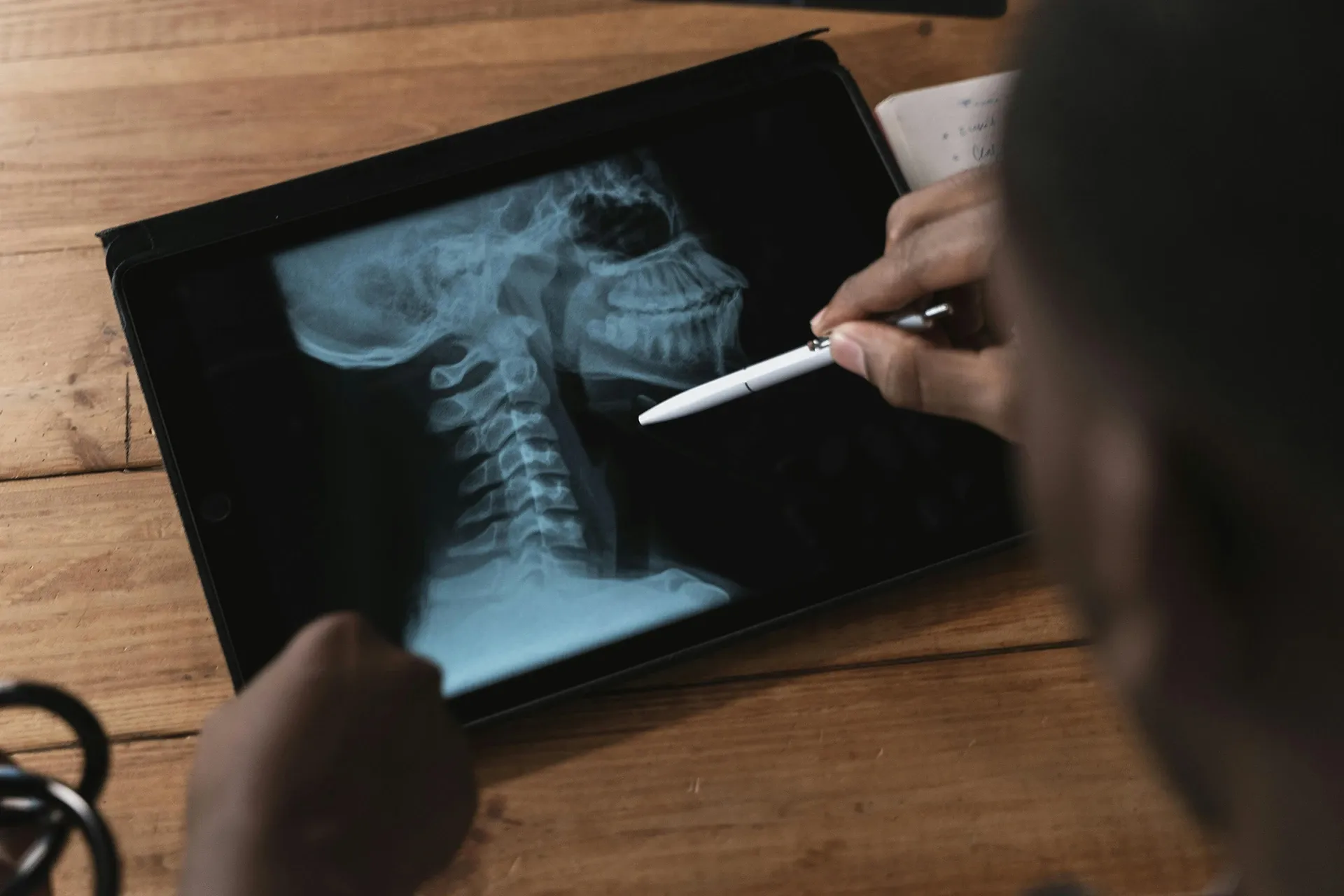
- X-rays to evaluate alignment and instability
- MRI to assess spinal cord compression
- CT scan for bone detail
- Additional neurological testing when necessary
Surgery is typically recommended when conservative treatments fail or neurological symptoms progress.
Cervical Laminectomy & Fusion Treatment
Non-Surgical Treatment
Non-surgical treatment may be attempted for mild symptoms, including:
- Activity modification
- Anti-inflammatory medication
- Physical therapy
- Pain management injections
- Cervical bracing in select cases
If symptoms persist or worsen, surgical treatment may be recommended.
Surgical Treatment
During cervical laminectomy and fusion surgery:
- An incision is made in the back of the neck
- The lamina is removed to decompress the spinal cord
- Bone spurs or compressive structures are addressed
- Bone graft is placed to promote fusion
- Hardware such as rods or screws stabilizes the spine
This procedure relieves pressure on the spinal cord and restores spinal stability.
Recovery After Cervical Laminectomy & Fusion
Recovery varies depending on the number of levels treated and overall health. Initial recovery typically occurs over several weeks, while fusion may take several months. Physical therapy is often recommended to restore strength and mobility.
Patients are usually advised to avoid heavy lifting and strenuous activity during the early healing period. Full recovery and fusion may take up to a year in some cases.
When to See an Orthopedic Specialist
You should seek evaluation if you experience:
- Persistent neck pain
- Arm pain, numbness, or weakness
- Loss of coordination
- Difficulty walking
- Progressive neurological symptoms
- Symptoms not improving with conservative care
Prompt evaluation helps prevent worsening spinal cord compression.
Why Choose TMI Sports Medicine & Orthopedic Surgery
TMI provides comprehensive cervical spine care, including advanced imaging, conservative treatment, and surgical procedures such as cervical laminectomy and fusion when necessary. Our spine specialists focus on relieving spinal cord compression, restoring stability, and improving neurological function.