- Trauma Care
- Complex Fracture Care
- Multiple & Severe Fractures from High-Energy Accidents
- Open Fractures & Soft Tissue Injuries
- Joint Dislocations (Shoulder, Hip, Elbow & Knee)
- Nonunion & Malunion Fractures
- Post-Traumatic Arthritis & Chronic Joint Complications
- Fracture Fixation Surgery (Plates, Rods & Screws)
- External Fixation for Complex Fractures
- Minimally Invasive Orthopedic Trauma Surgery
- Pelvic & Acetabular Reconstruction
- Limb Salvage & Reconstructive Procedures





What Is Pelvic & Acetabular Reconstruction?
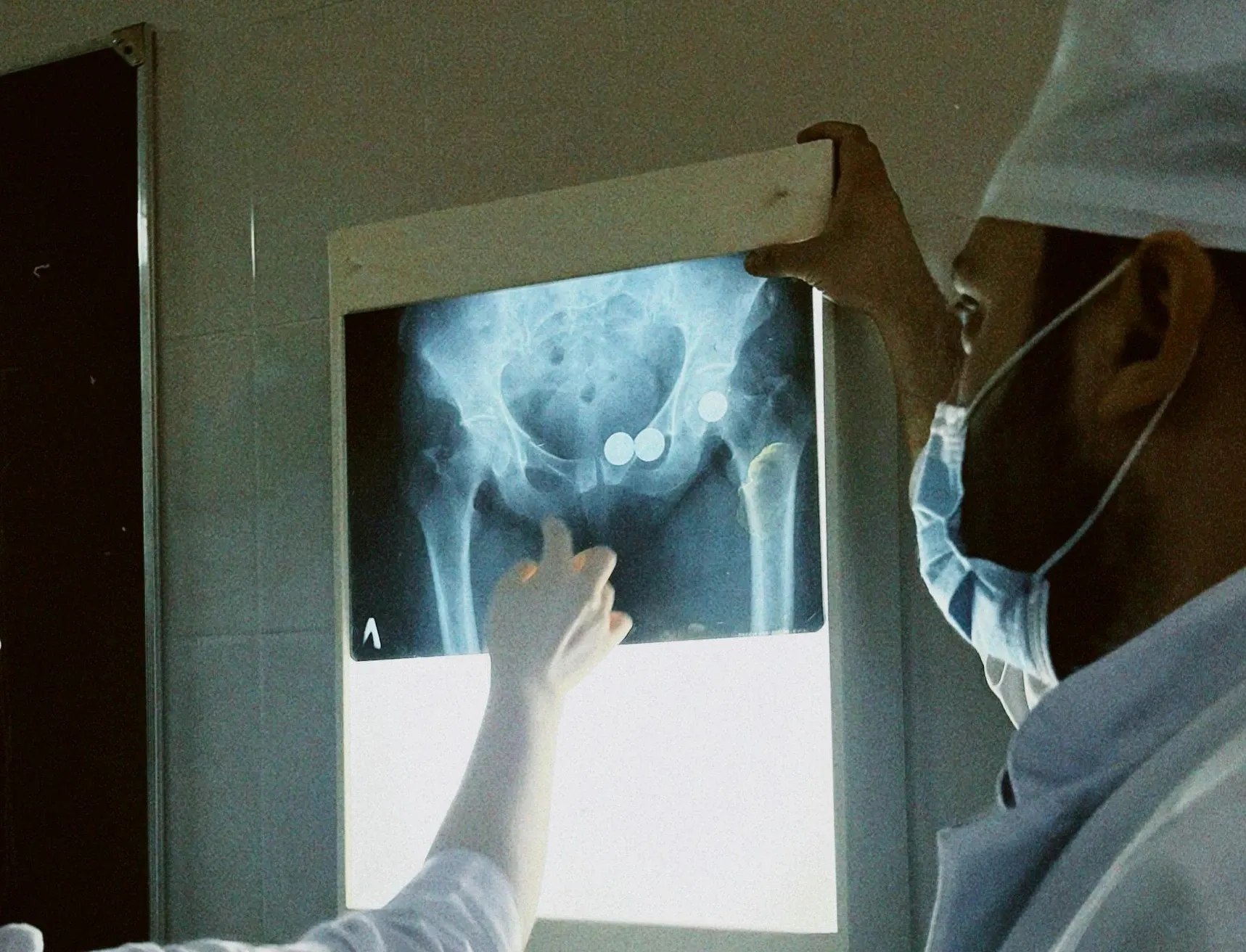
Pelvic and acetabular reconstruction is a surgical procedure used to repair complex fractures involving the pelvis and hip socket (acetabulum). These injuries are often caused by high-energy trauma such as motor vehicle accidents, falls from height, or severe sports injuries.
Because the pelvis supports body weight and protects vital structures, these fractures can significantly affect mobility and stability. Reconstruction focuses on restoring proper bone alignment, stabilizing the hip joint, and promoting long-term function.
Injuries Treated with Pelvic & Acetabular Reconstruction
Pelvic and acetabular reconstruction may be used to treat:
- Pelvic ring fractures
- Acetabular fractures
- Displaced hip socket fractures
- Complex pelvic trauma
- Hip joint instability after trauma
- Fractures involving multiple pelvic bones
- Post-traumatic hip deformity
- Malunion or nonunion pelvic fractures
These injuries often require specialized surgical care.
Symptoms of Pelvic & Acetabular Injuries
Symptoms may include:
- Severe hip or pelvic pain
- Difficulty standing or walking
- Inability to bear weight
- Swelling or bruising around the hip
- Limited range of motion
- Leg length difference
- Instability of the hip
- Numbness or tingling
These injuries typically require urgent evaluation.
How Pelvic & Acetabular Fractures Are Diagnosed
Diagnosis begins with a comprehensive trauma evaluation. Testing may include:
- X-rays to identify fractures
- CT scan for detailed pelvic imaging
- MRI in select cases
- Physical examination
- Assessment of hip stability
- Evaluation for associated injuries
Advanced imaging helps guide surgical planning.
Pelvic & Acetabular Reconstruction Treatment
Non-Surgical Treatment
Some pelvic fractures may be treated without surgery if stable. Treatment may include:
- Limited weight-bearing
- Activity modification
- Pain management
- Physical therapy
- Close monitoring with imaging
Stable fractures may heal with conservative care.
Surgical Reconstruction
Complex or displaced fractures often require surgery. Surgical treatment may include:
- Open reduction and internal fixation
- Plates and screws for pelvic stabilization
- Acetabular fracture reconstruction
- Hip joint realignment
- Bone grafting when necessary
- Minimally invasive fixation when appropriate
Surgery focuses on restoring hip alignment and stability.
Recovery After Pelvic Reconstruction
Recovery depends on fracture severity and treatment. Patients may initially limit weight-bearing while healing occurs. Rehabilitation often includes physical therapy to restore mobility, strength, and balance. Recovery may take several months.
Close follow-up ensures proper healing.
When to See an Orthopedic Specialist
You should seek immediate evaluation if you experience:
- Severe hip or pelvic pain after injury
- Inability to stand or walk
- Hip instability
- Swelling or bruising
- Pain with movement
- Trauma involving the hip or pelvis
Prompt treatment helps improve outcomes.
Why Choose TMI Sports Medicine & Orthopedic Surgery
TMI provides specialized care for pelvic and acetabular injuries. Our orthopedic specialists use advanced imaging, reconstruction techniques, and coordinated rehabilitation to restore stability, improve mobility, and support recovery after complex trauma.