- Trauma Care
- Complex Fracture Care
- Multiple & Severe Fractures from High-Energy Accidents
- Open Fractures & Soft Tissue Injuries
- Joint Dislocations (Shoulder, Hip, Elbow & Knee)
- Nonunion & Malunion Fractures
- Post-Traumatic Arthritis & Chronic Joint Complications
- Fracture Fixation Surgery (Plates, Rods & Screws)
- External Fixation for Complex Fractures
- Minimally Invasive Orthopedic Trauma Surgery
- Pelvic & Acetabular Reconstruction
- Limb Salvage & Reconstructive Procedures




What Is Minimally Invasive Orthopedic Trauma Surgery?
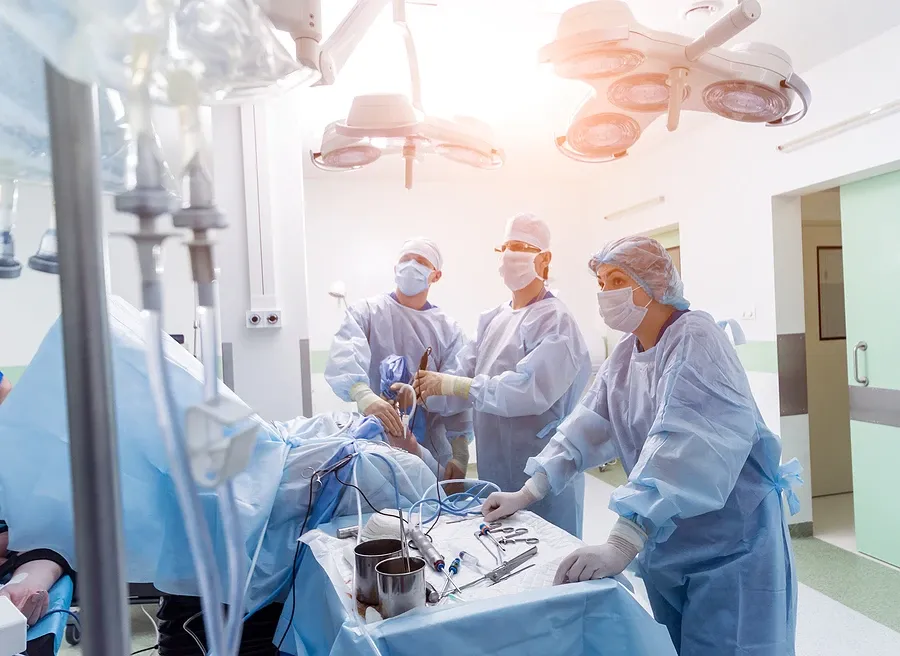
Minimally invasive orthopedic trauma surgery uses specialized techniques and instruments to treat fractures and traumatic injuries through smaller incisions. These approaches allow surgeons to stabilize bones and repair injuries while minimizing disruption to surrounding muscles, tendons, and soft tissues.
Whenever appropriate, minimally invasive techniques may be used to improve healing, reduce postoperative pain, and support earlier return to activity.
Benefits of Minimally Invasive Surgical Techniques
Minimally invasive trauma surgery may offer several advantages, including:
- Smaller incisions
- Less soft tissue damage
- Reduced postoperative pain
- Lower risk of infection
- Faster recovery
- Shorter hospital stay
- Reduced blood loss
- Earlier return to movement
- Improved cosmetic results
These benefits can improve overall recovery after injury.
Injuries Treated with Minimally Invasive Techniques
Minimally invasive approaches may be used for:
- Fracture fixation
- Joint fractures
- Long bone fractures
- Pelvic fractures
- Ankle fractures
- Wrist fractures
- Shoulder fractures
- Tibia fractures
- Femur fractures
- Certain dislocations
The approach depends on fracture type and severity.
Minimally Invasive Surgical Techniques
Your surgeon may use techniques such as:
- Percutaneous screw fixation
- Minimally invasive plate fixation
- Intramedullary rod placement
- Small-incision fracture stabilization
- Image-guided fracture alignment
- Arthroscopic-assisted fracture repair
These techniques allow stabilization with minimal disruption.
When Minimally Invasive Surgery Is Appropriate
Not all fractures can be treated with minimally invasive techniques. These approaches may be used when:
- Fracture alignment can be restored without large exposure
- Soft tissue preservation is important
- Fracture pattern allows percutaneous fixation
- Swelling limits open surgery
- Early mobility is desired
Your orthopedic specialist will determine the best approach.
Recovery After Minimally Invasive Trauma Surgery
Recovery depends on the injury treated. Many patients experience less postoperative discomfort and may begin movement earlier compared to traditional open procedures. Rehabilitation may include:
- Physical therapy
- Gradual strengthening
- Range-of-motion exercises
- Activity progression
Healing timelines vary by injury.
When to See an Orthopedic Specialist
You should seek evaluation if you experience:
- Fracture after injury
- Severe pain
- Swelling or deformity
- Limited mobility
- Joint instability
- Trauma requiring surgical evaluation
Your provider will determine whether minimally invasive techniques are appropriate.
Why Choose TMI Sports Medicine & Orthopedic Surgery
TMI utilizes minimally invasive orthopedic trauma techniques whenever appropriate to stabilize fractures and reduce recovery time. Our specialists focus on preserving soft tissues, restoring alignment, and helping patients return to activity safely.