- Trauma Care
- Complex Fracture Care
- Multiple & Severe Fractures from High-Energy Accidents
- Open Fractures & Soft Tissue Injuries
- Joint Dislocations (Shoulder, Hip, Elbow & Knee)
- Nonunion & Malunion Fractures
- Post-Traumatic Arthritis & Chronic Joint Complications
- Fracture Fixation Surgery (Plates, Rods & Screws)
- External Fixation for Complex Fractures
- Minimally Invasive Orthopedic Trauma Surgery
- Pelvic & Acetabular Reconstruction
- Limb Salvage & Reconstructive Procedures




What Is External Fixation?
External fixation is a surgical technique used to stabilize broken bones using a frame positioned outside the body. Metal pins or wires are placed through the skin into the bone and connected to an external support structure that holds the fracture in proper alignment during healing.
External fixation is often used for complex fractures, unstable injuries, or cases involving significant soft tissue damage. This method allows surgeons to stabilize the bone while minimizing additional trauma to surrounding tissues.
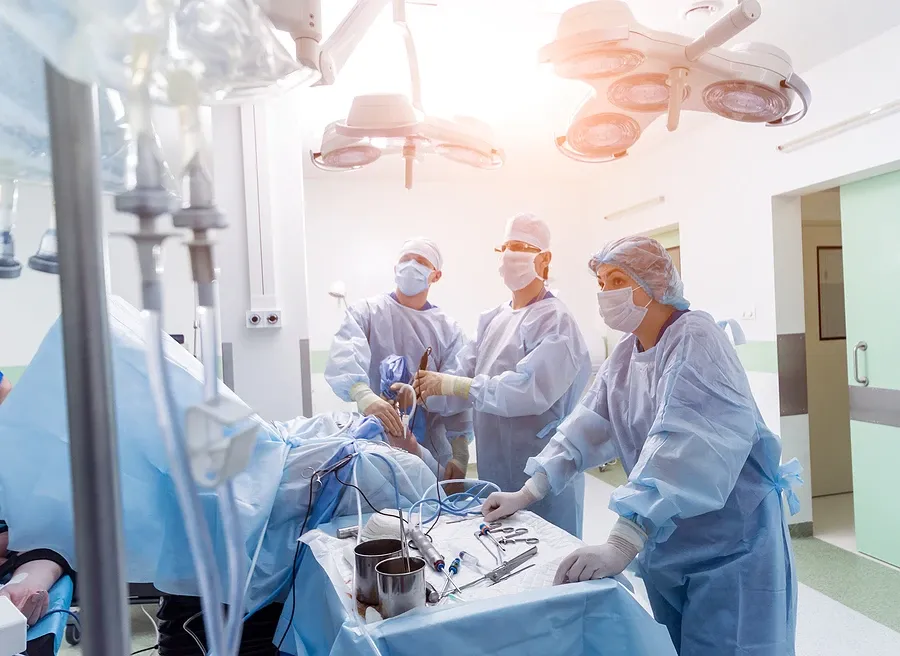
When External Fixation Is Used
External fixation may be recommended for:
- Complex fractures
- Open fractures
- Unstable fractures
- High-energy trauma injuries
- Severe soft tissue damage
- Multiple fractures
- Bone alignment correction
- Temporary stabilization before surgery
- Fractures with swelling that limits internal fixation
This approach helps stabilize the injury while allowing soft tissues to recover.
Conditions Treated with External Fixation
External fixation may be used for fractures involving:
- Tibia fractures
- Femur fractures
- Ankle fractures
- Foot fractures
- Wrist fractures
- Forearm fractures
- Pelvic fractures
- Joint fractures
- Complex limb injuries
These injuries often require advanced stabilization techniques.
How External Fixation Is Performed
During external fixation:
- Pins or wires are inserted into the bone
- The pins extend outside the skin
- An external frame connects the pins
- The frame stabilizes the fracture
- Alignment is adjusted as needed
The external device remains in place during healing.
Benefits of External Fixation
External fixation offers several advantages, including:
- Stabilizes complex fractures
- Protects soft tissue injuries
- Allows access for wound care
- Minimizes surgical exposure
- Adjustable alignment during healing
- Useful for temporary stabilization
- Supports bone healing
This method is commonly used in trauma care.
Recovery After External Fixation
Recovery depends on the severity of the injury. Patients may begin limited movement while the external fixator remains in place. Once the fracture stabilizes, additional surgery or device removal may occur.
Physical therapy is often part of recovery to restore mobility and strength.
When to See an Orthopedic Specialist
You should seek evaluation if you experience:
- Severe fracture after trauma
- Unstable bone injury
- Open fracture
- Multiple fractures
- Significant swelling or soft tissue damage
- Deformity after injury
Prompt stabilization helps prevent complications.
Why Choose TMI Sports Medicine & Orthopedic Surgery
TMI provides advanced orthopedic trauma care including external fixation for complex injuries. Our specialists focus on stabilizing fractures, protecting soft tissues, and coordinating rehabilitation to support recovery.