- Trauma Care
- Complex Fracture Care
- Multiple & Severe Fractures from High-Energy Accidents
- Open Fractures & Soft Tissue Injuries
- Joint Dislocations (Shoulder, Hip, Elbow & Knee)
- Nonunion & Malunion Fractures
- Post-Traumatic Arthritis & Chronic Joint Complications
- Fracture Fixation Surgery (Plates, Rods & Screws)
- External Fixation for Complex Fractures
- Minimally Invasive Orthopedic Trauma Surgery
- Pelvic & Acetabular Reconstruction
- Limb Salvage & Reconstructive Procedures



What Are Nonunion and Malunion Fractures?
Nonunion and malunion fractures occur when a broken bone does not heal correctly. A nonunion happens when the bone fails to heal completely, while a malunion occurs when the bone heals in an incorrect position. Both conditions can lead to persistent pain, instability, and reduced function.
These complications may develop after severe fractures, inadequate immobilization, poor blood supply, or other healing challenges. Early diagnosis and treatment can help restore proper bone alignment and promote healing.
Causes of Nonunion & Malunion
Several factors may increase the risk of improper fracture healing, including:
- Severe or complex fractures
- Poor bone alignment after injury
- Inadequate immobilization
- Smoking or tobacco use
- Poor blood supply to the bone
- Infection
- Bone loss
- High-energy trauma
- Certain medical conditions
- Premature return to activity
These factors can interfere with normal bone healing.
Symptoms of Nonunion & Malunion
Patients with nonunion or malunion fractures may experience:
- Persistent pain after fracture
- Delayed healing
- Visible deformity
- Limited range of motion
- Instability at fracture site
- Difficulty bearing weight
- Swelling or tenderness
- Weakness in the affected limb
Symptoms often continue beyond expected healing time.
How Nonunion & Malunion Are Diagnosed
Diagnosis involves clinical evaluation and imaging studies. Testing may include:
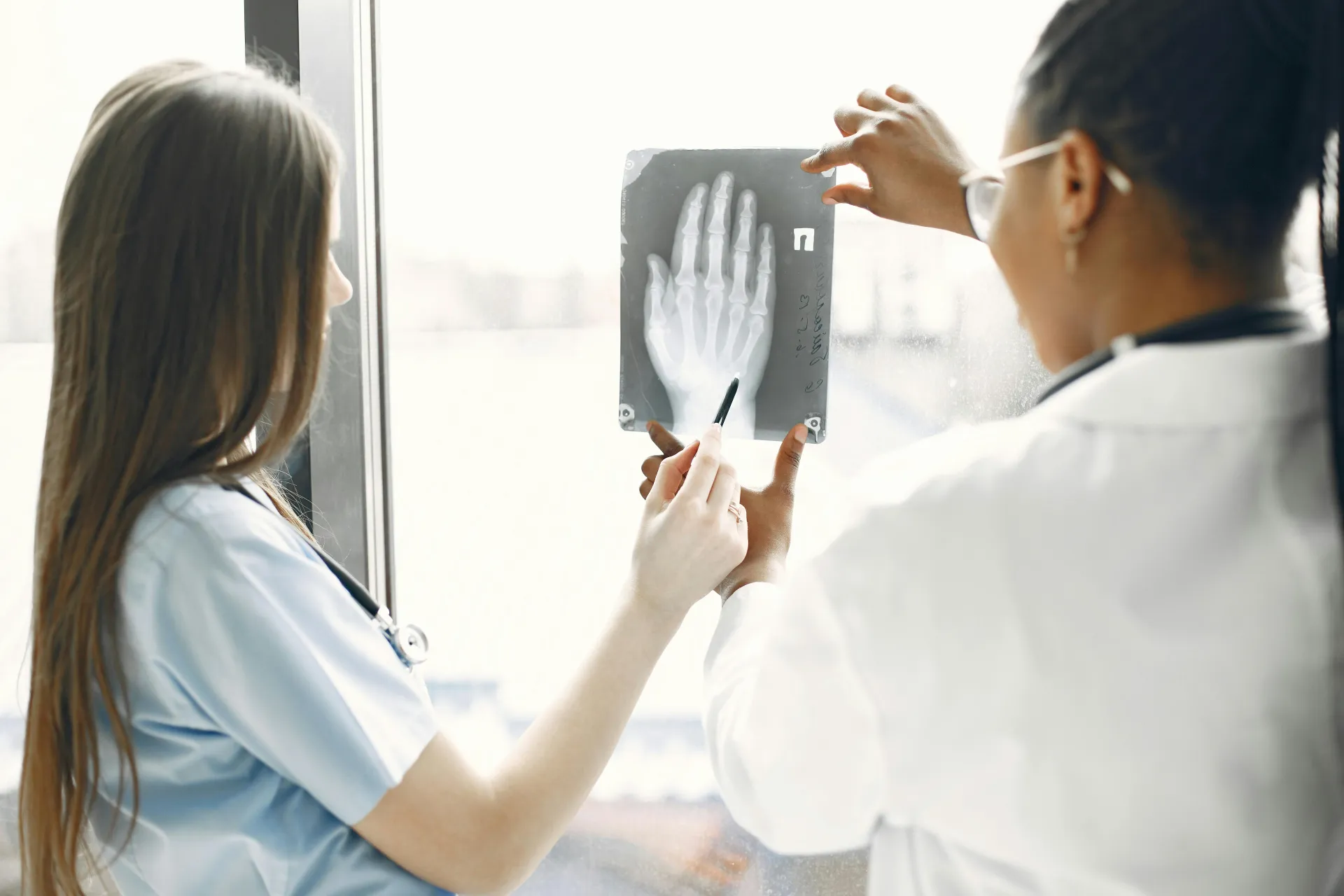
- X-rays to evaluate bone healing
- CT scans for detailed bone assessment
- MRI in select cases
- Physical examination
- Review of prior fracture treatment
These evaluations help determine the severity and treatment approach.
Treatment for Nonunion & Malunion Fractures
Non-Surgical Treatment
In select cases, non-surgical care may help stimulate healing. Treatment may include:
- Immobilization
- Bone stimulation therapy
- Activity modification
- Nutritional support
- Physical therapy
Close monitoring is important during recovery.
Surgical Treatment
Many nonunion or malunion fractures require surgery. Surgical options may include:
- Realignment of the bone
- Internal fixation with plates or screws
- Bone grafting
- Intramedullary rod placement
- Removal of non-healed bone tissue
- Fracture reconstruction
Surgical treatment helps restore alignment and promote healing.
Recovery After Treatment
Recovery depends on fracture severity and treatment approach. Rehabilitation may include physical therapy to restore strength, mobility, and function. Healing may take several weeks to months depending on the location and complexity.
Follow-up imaging helps monitor bone healing.
When to See an Orthopedic Specialist
You should seek evaluation if you experience:
- Fracture pain that does not improve
- Delayed healing
- Persistent swelling
- Deformity after fracture
- Difficulty bearing weight
- Limited mobility
Early treatment may help prevent long-term complications.
Why Choose TMI Sports Medicine & Orthopedic Surgery
TMI provides advanced care for nonunion and malunion fractures. Our orthopedic specialists focus on restoring alignment, promoting healing, and helping patients regain mobility and function following complex fracture complications.