Patient Ratings
5.0 Star review based on 106 patient ratings
Biography
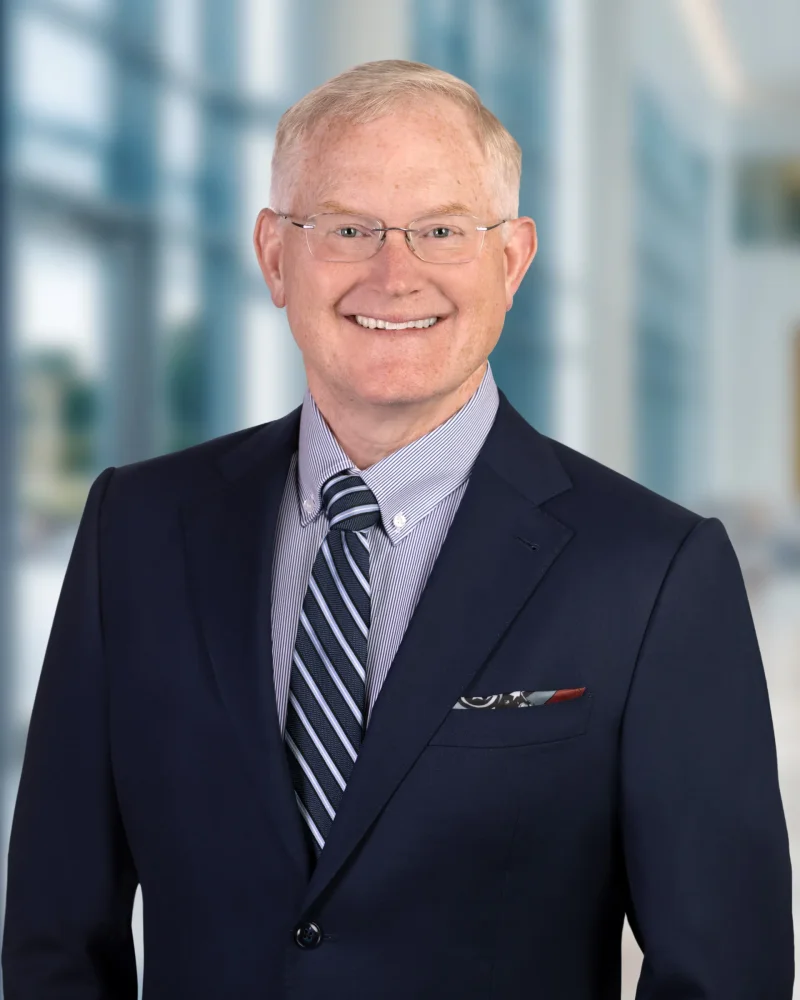
As a Physical Medicine and Rehabilitation physician, Dr. Troy Foster focuses on identifying and diagnosing the causes of pain, developing personalized treatment plans, and helping patients manage their symptoms while working toward addressing the underlying source through nonsurgical care.
An initial visit will start with a physical and verbal examination to get a history of what symptoms are experienced, how long, medication history’s, and previous treatments. Dr. Foster is one of two doctors in the group that perform EMG/Nerve conduction studies. These studies are used to diagnose nerve disorders involving impingement and damage. In this study it will be determined if and where a nerve impingement exists, the extent of the impingement, and the extent of the damage that has occurred and where. Treatments provided includes specialized exercise, steroid therapies such as oral, local injection, and x-ray guided injections into the spine under anesthesia, nerve blocks, nerve ablations, and, for chronic pain that fails to respond to anything else, he can preform a trials of implantable devices that override nerve signaling of pain.
A lifelong Texan, Dr. Foster originated from Ovilla, TX and he actively volunteers in Medical Services at Mission Arlington, Mansfield Cares, and The Arthritis Foundation Preparticipation Physicals, Habitat for Humanity, and several other organizations. Dr. Foster also enjoys outdoor activities such as backpacking, skiing, fishing, hunting, and spending his free time with his triplets. Dr. Foster describes himself as a “do-it-yourself man” with a passion for traveling as well as maintaining an active lifestyle outside of work. When asked about his biggest challenge, Dr. Foster replied, “During my second year of high-demanding medical-training, my wife was on complete bed rest with our triplets for 13 weeks. We lived in a 2-bedroom apartment with 2 Labradors.”
Education & Training
- 2007-2011
University of N. Texas HSC-Texas College of Osteopathic Medicine, Fort Worth, TXObtained Doctor of Osteopathy degree while completing expanded curriculum in Rural Osteopathic Medical Education1988-1995
Harding University B.A. & M.S., Searcy, ARParticipated in Collegiate and Intramural sports programs. Held offices in men’s fraternity, student association, and campus ministry programs. - Baylor University Medical Center, Dallas, TX
Residency in Physical Medicine and Rehabilitation (July 2012-present)
Chief Resident 2014-2015
Completion date: June 2015
Duties Include: assessment, evaluation, and management of the acute rehabilitation patient. Assessment, evaluation, and management of neuromusculoskeletal patients in the outpatient setting utilizing electrodiagnostic studies.
6 Case Presentations for Radiology and PM&R residents.Provided resident and nursing lectures regarding EMG/NCS, musculoskeletal, TBI, and physiatry. - Columbus Regional Medical Center, Columbus, GA
Transitional Internship (July 2011-July 2012)
A rotating internship through Internal Medicine, Family Medicine, Orthopedics, Pediatrics, Obstetrics/Gynecology, Trauma and Emergency Medicine
Received Intern of the Year Award
Received “True Grit” Award
Certifications & Affiliations
Specialty
Practicing Physical Medicine and Rehabilitation, Dr. Foster focuses on identifying and diagnosing causes of pain, planning out treatment, and managing levels of pain while actively working towards eliminating their source non-surgically.
Identifying Sources of Pain
An initial visit will start with a physical and verbal examination to get a history of what symptoms are experienced, how long, medication history’s, and previous treatments.
Dr. Foster is one of two doctors in the group that perform EMG/Nerve conduction studies. These studies are used to diagnose nerve disorders involving impingement and damage. In this study it will be determined if and where a nerve impingement exists, the extent of the impingement, and the extent of the damage that has occurred and where.
Treatments
Treatments provided includes specialized exercise, steroid therapies such as oral, local injection, and x-ray guided injections into the spine under anesthesia, nerve blocks, nerve ablations, and, for chronic pain that fails to respond to anything else, he can preform a trials of implantable devices that override nerve signaling of pain.
- American Academy of Physical Medicine & Rehabilitation
- Texas Medical Association
- Tarrant County Medical Society
Dr. Fosters's Care Team